Standard cost stopped resembling actual cost
Rates were set at a budget meeting and never revisited, so the products that look most profitable are frequently the ones absorbing the least of the overhead they cause.
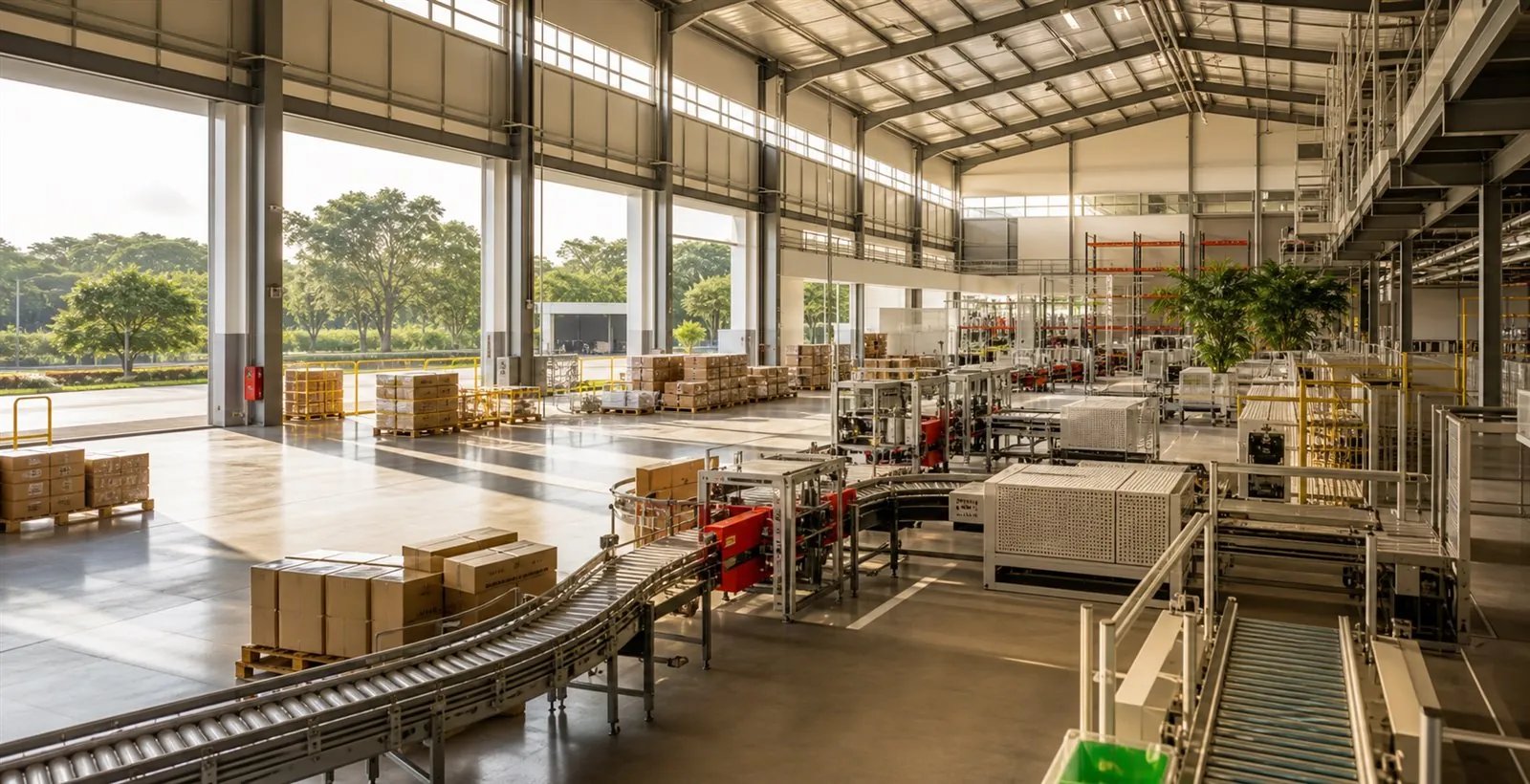
Manufacturing
In most plants the MES knows what ran, the quality system knows what failed, and the ledger knows what it cost, and no two of them agree on the same batch. Standard costs drift from actuals for a year at a time and nobody notices until margin does something unexpected. We join those three records at the level of the run, so scrap, downtime, yield and overtime land against the product that caused them, in time for somebody to change the schedule.
Discuss your operationWhat we usually find
Rates were set at a budget meeting and never revisited, so the products that look most profitable are frequently the ones absorbing the least of the overhead they cause.
The plant knows its scrap percentage. It usually cannot say which shift, changeover or material lot is producing it, which is the only version of the number worth having.
Planning optimises for throughput and finance reports on margin, and because the two run off different data neither can tell you what a rush order really cost to expedite.
Where we start
Scope depends on the state of your systems. These are the pieces that recur in this sector.
We rebuild cost per unit from the actual run: materials consumed, labour and machine time booked, scrap and rework, and the overhead you can defend attaching to it.
Losses tied back to the line, shift, changeover and material lot that caused them, rather than pooled into a plant-wide percentage.
Once cost is real, the ranking of what makes money changes. We put that ranking in front of the people who set prices and accept orders.
Daily numbers on the floor for the supervisors, monthly reconciliation for finance, both built from the same figures so the two never disagree.
What changes
You own all of it: the code, the written definitions and documentation aimed at whoever maintains this after us.
The builds behind it
Your finance, customer and operational records joined into one dataset, with each figure defined once and traceable back to the system it came from.
Reporting built on top of the joined data, aimed at the few revenue and cost drivers that actually change the result.
One defined task, automated inside a process that already exists, measured against whatever it replaced.
Driver-based models built on the same definitions as your reporting, so the forecast and the actuals stop disagreeing.
Worth asking