Contracted, provisioned and used power are three different numbers
Each lives in a different system with a different owner, so the answer to how much is left to sell depends on who you ask.
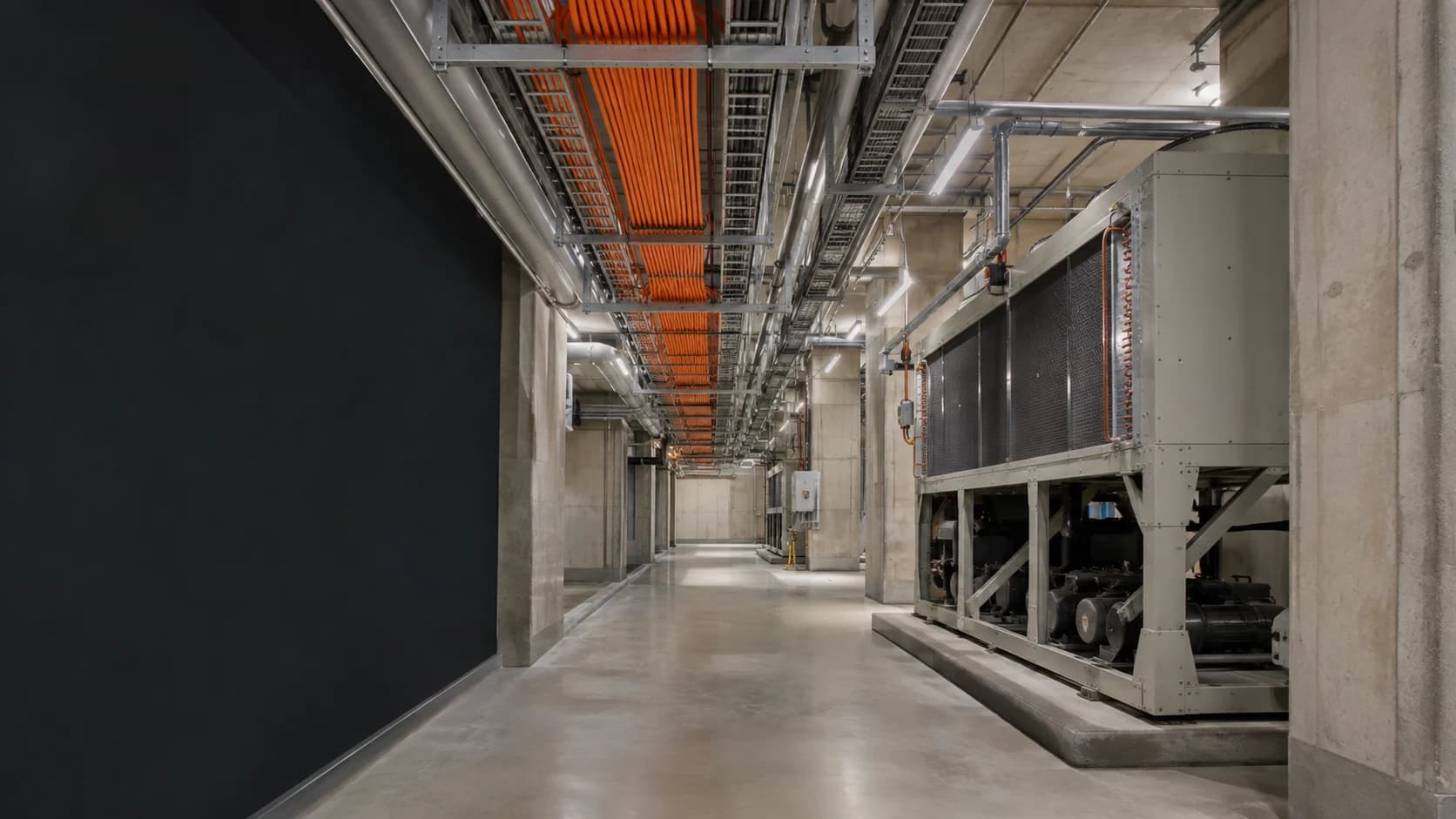
Data centres
A data centre sells power and space under long contracts, and the gap between contracted, provisioned and actually drawn power is where the commercial questions live. That gap is usually spread across a DCIM system, a contract folder and a billing platform. We join them so available capacity is a number the sales team can trust, and so the economics of a customer are visible against the power they actually use rather than the power they signed for.
Discuss your operationWhat we usually find
Each lives in a different system with a different owner, so the answer to how much is left to sell depends on who you ask.
Billing follows the contract while cost follows consumption, and without the two joined the margin on a customer is an estimate.
PUE for the whole site tells you little about which hall, which customer or which change actually moved it.
Where we start
Scope depends on the state of your systems. These are the pieces that recur in this sector.
Contracted, provisioned and drawn power reconciled per hall, so remaining saleable capacity is one agreed figure.
Revenue against the power, space and cooling a customer actually consumes, including the cost of contracted headroom they never draw.
Energy performance broken down far enough to attribute a change to a decision somebody made.
Capacity coming online set against the contracted pipeline, so sales and construction are planning from the same dates.
What changes
You own all of it: the code, the written definitions and documentation aimed at whoever maintains this after us.
The builds behind it
Your finance, customer and operational records joined into one dataset, with each figure defined once and traceable back to the system it came from.
Reporting built on top of the joined data, aimed at the few revenue and cost drivers that actually change the result.
One defined task, automated inside a process that already exists, measured against whatever it replaced.
Driver-based models built on the same definitions as your reporting, so the forecast and the actuals stop disagreeing.
Worth asking